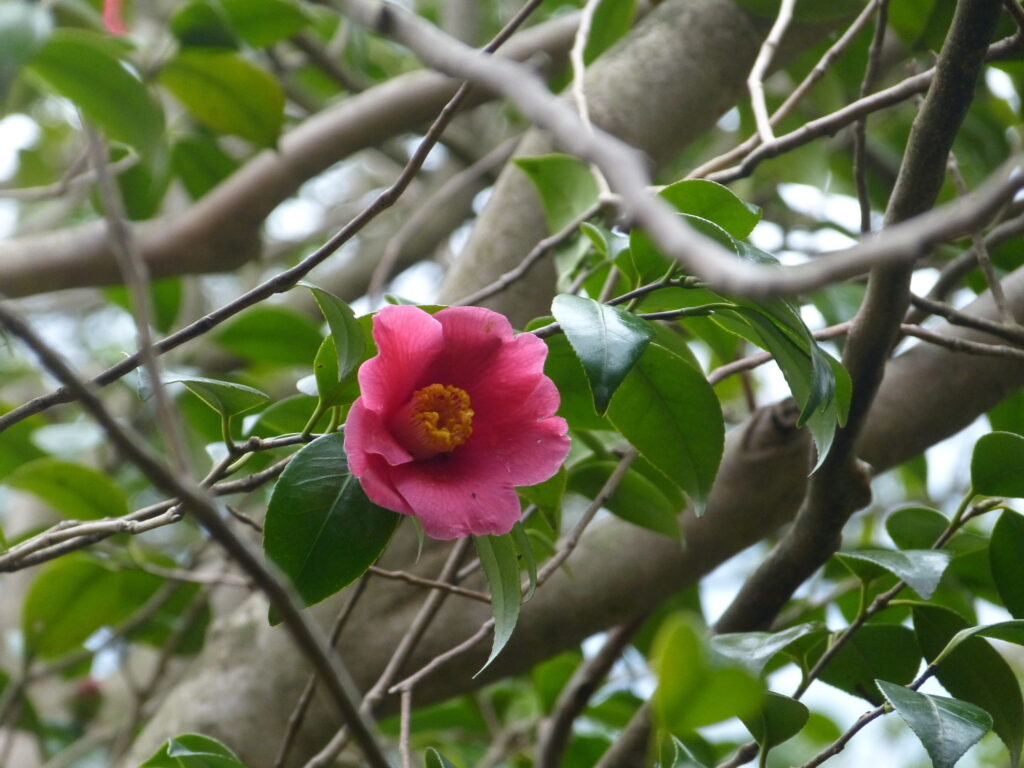
Camellias bloom when the rest of the garden is resting.
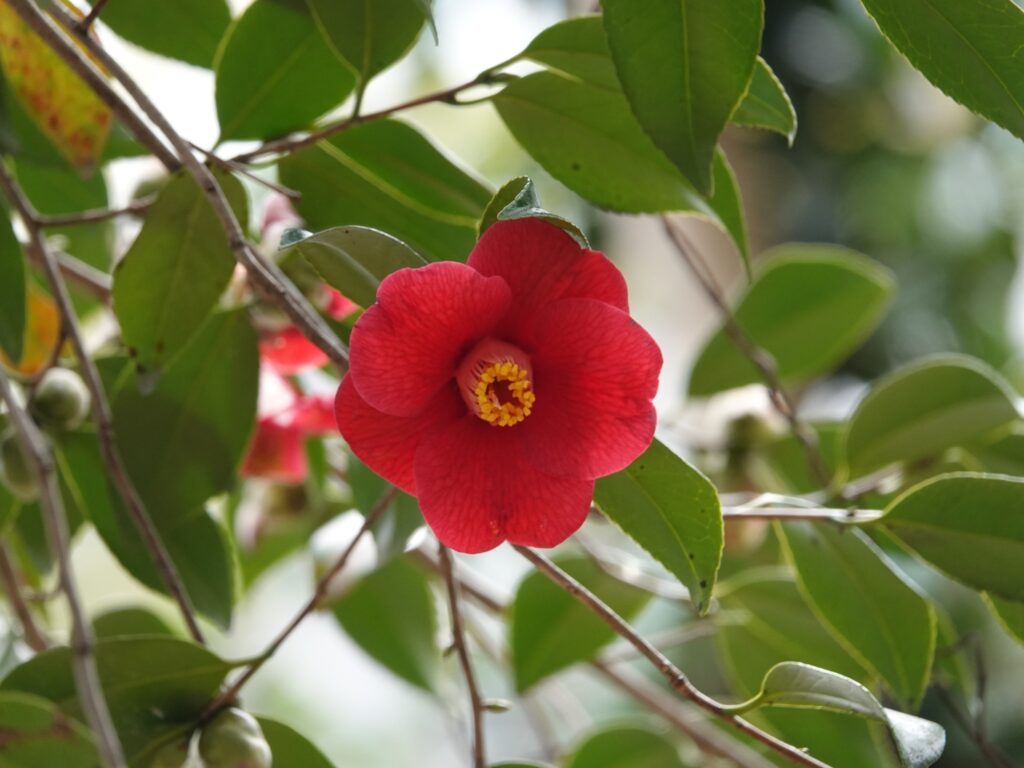
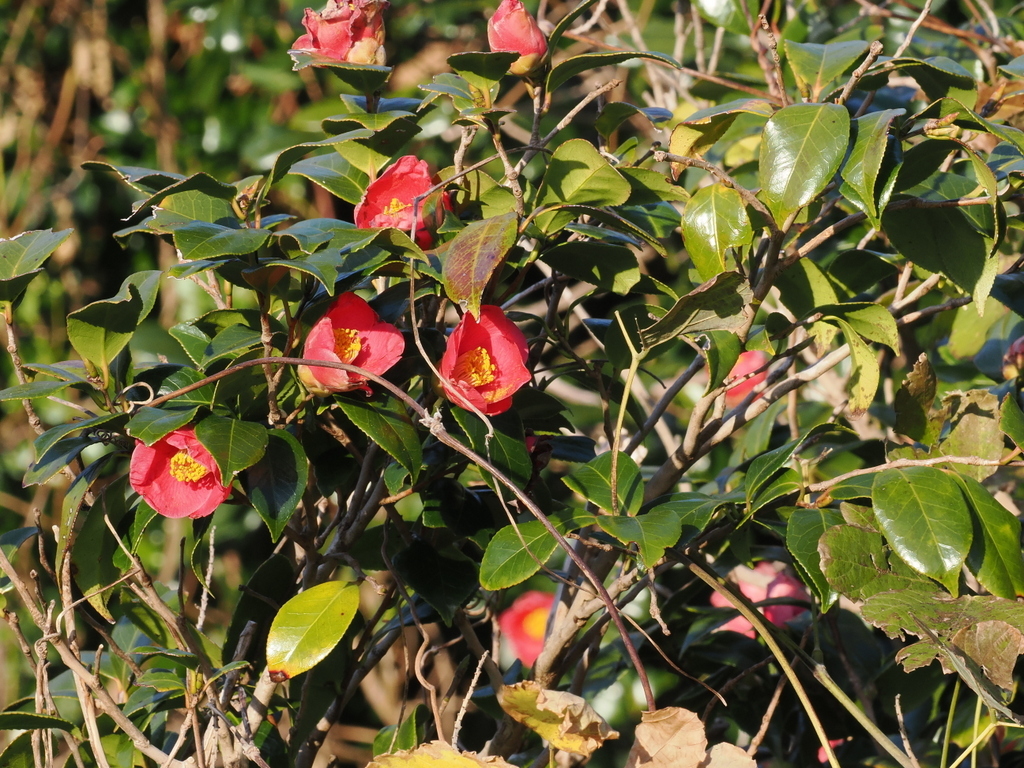
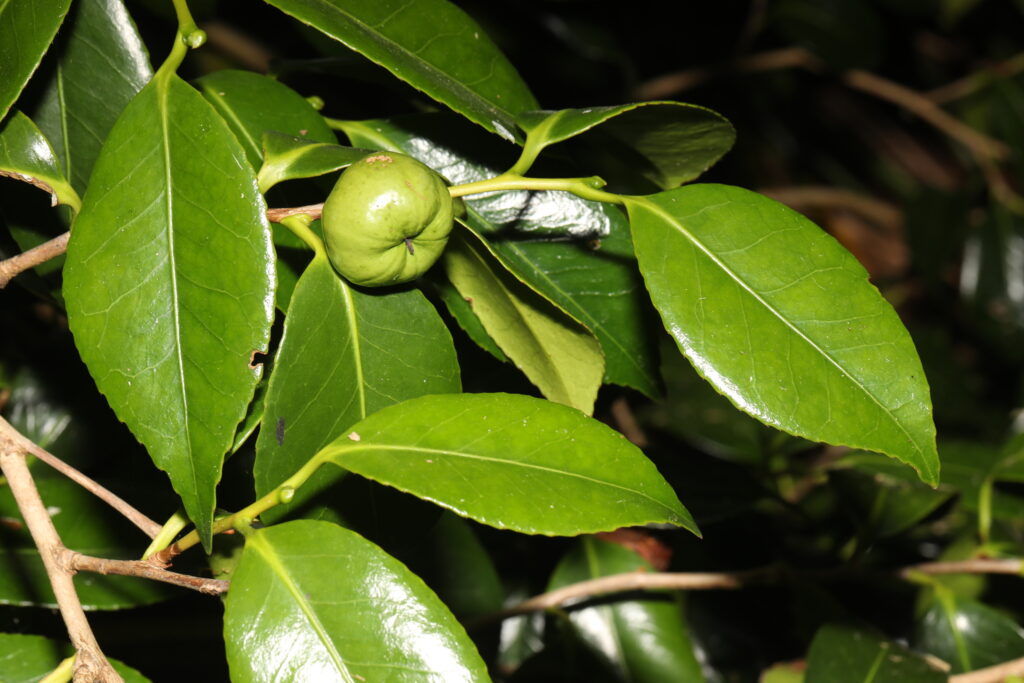
Glossy, leathery evergreen leaves [1a] frame flowers two to five inches across, in white and every shade of pink and red, from simple singles to many-petaled doubles. [1b] Depending on the variety, flowering can start in October and run into mid-March. [1c]
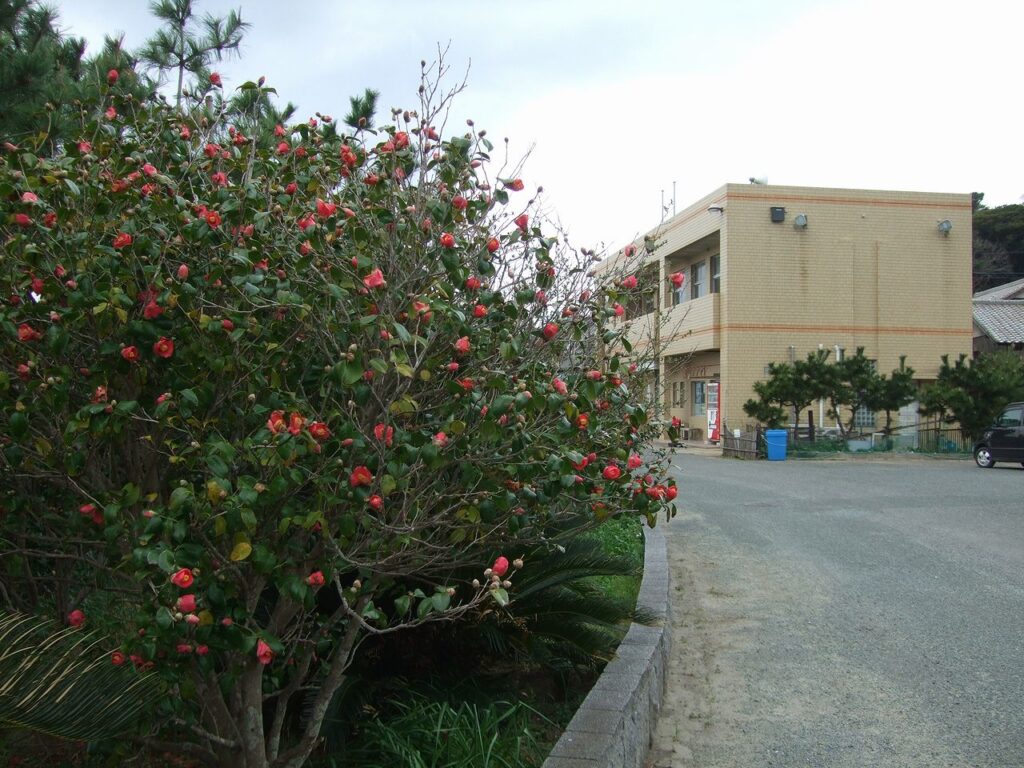
Japanese camellia is native to China, Korea and parts of Japan and belongs to the tea family. It has become a favorite of Southern gardens. [1d] The genus honors Georg Josef Kamel, a Jesuit missionary and naturalist. [1e] At Descanso Gardens in La Cañada Flintridge, California, thousands of camellias were first planted beneath native oaks for the cut-flower trade. [2a] Today the garden holds North America’s largest camellia collection, with 15,000 to 30,000 plants of more than 700 kinds, [2b, 2c, 2d] at their best in January and February. [2e]
Give it shade to part shade, shelter from drying winter winds, and well-drained, organic, slightly acidic soil (pH 5.5 to 6.5); [1f] it will not tolerate alkaline soil. [1g] It grows slowly but lives a long time. [1h] Dry weather in August and September can reduce the next season’s flowers. [1i] Next year’s buds form on old growth, so prune right after flowering or in early summer. [1j]