
Big, fragrant and ruffled, the garden peony is the flower many people picture when they think of late spring.
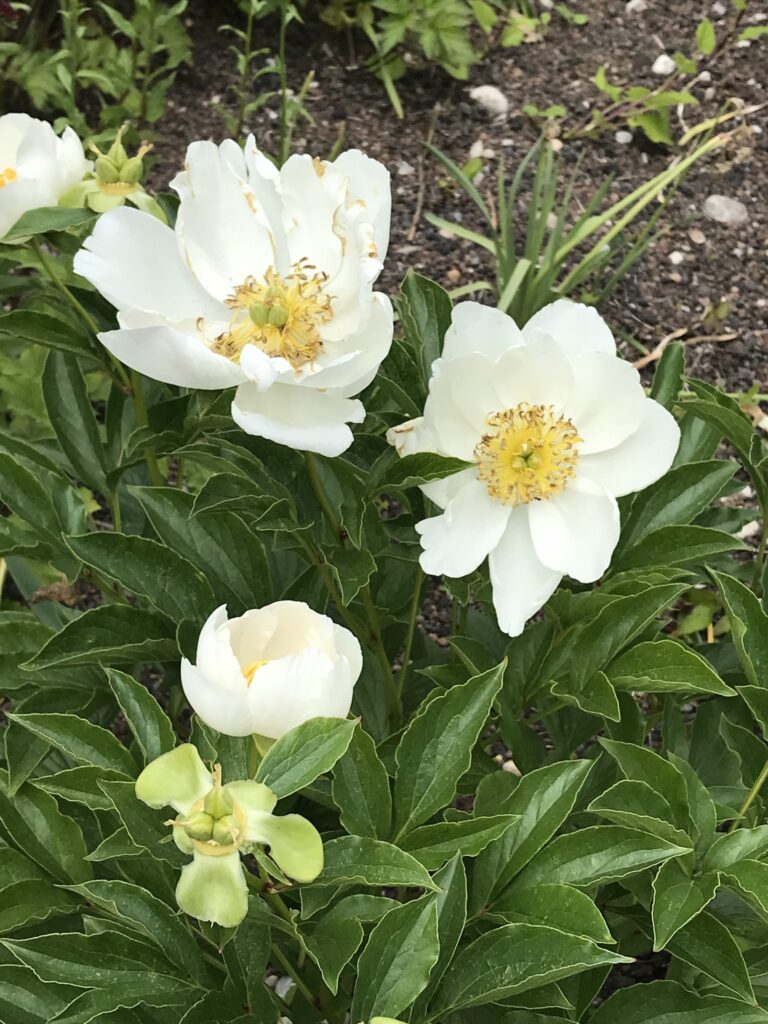
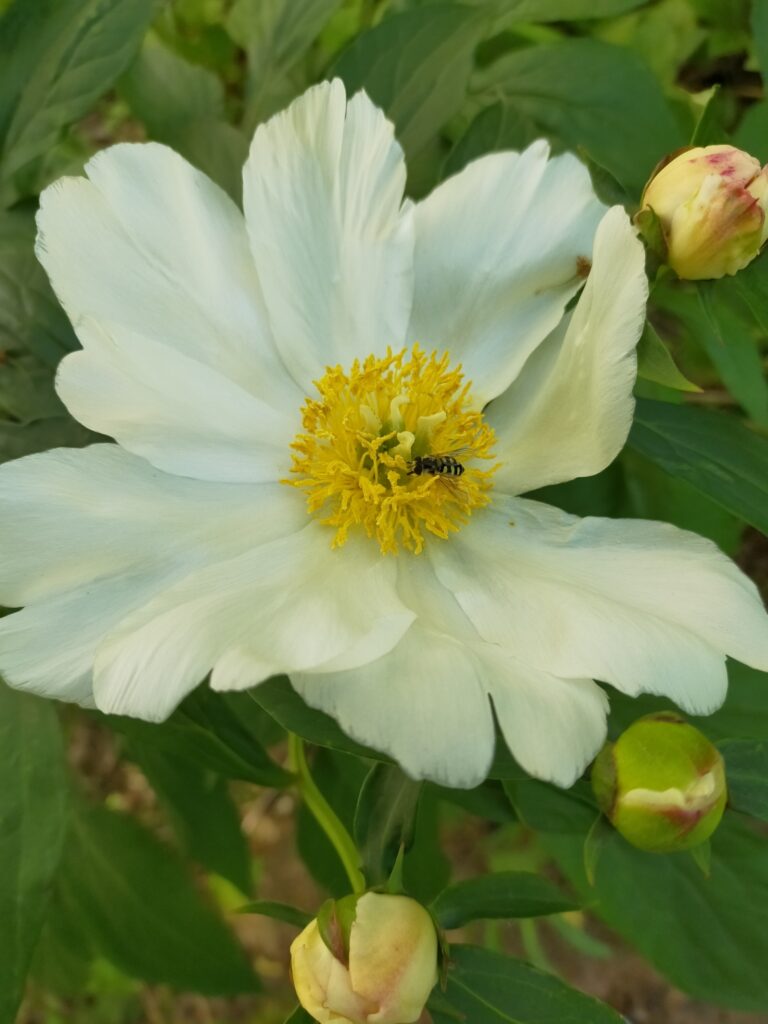
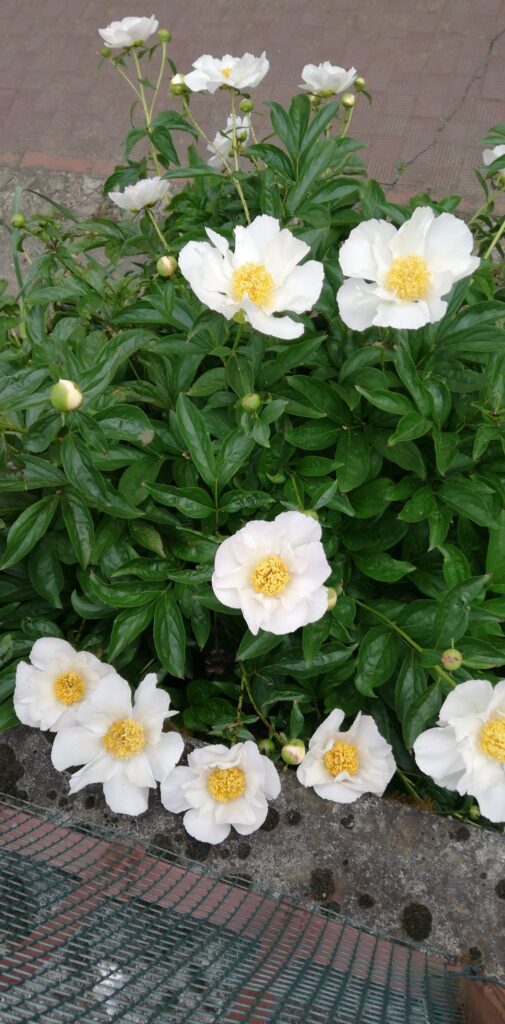
Most familiar herbaceous peonies are cultivars of Paeonia lactiflora. [2a] The wild species bears fragrant, cup- or bowl-shaped flowers three to six inches across, with five to ten white, pink or crimson petals around yellow stamens; [3a] garden selections add fuller, ruffled forms. [3b]
The species is native to central and eastern Asia, from eastern Tibet across northern China to eastern Siberia, [3c] where it grows on dry, stony slopes, riverbanks and open woodland edges. [3d] It is an herbaceous perennial that dies back each winter. [3e] At the Missouri Botanical Garden in St. Louis, the herbaceous peonies are a Mother’s Day tradition, peaking in the first two weeks of May; [2b] nearly 20 cultivars line the Apple Allee of the Kemper Center for Home Gardening. [2c]
Peonies are easy and long-lived. [1a] Plant them in full sun and moist, well-drained soil, [1b] setting the roots no deeper than two inches. [1c] Feed lightly: too much fertilizer, too much shade or competition from tree roots all mean fewer flowers. [1d] New plants can take two to three years to settle in, [1e] and an established clump may never need dividing. [1f]