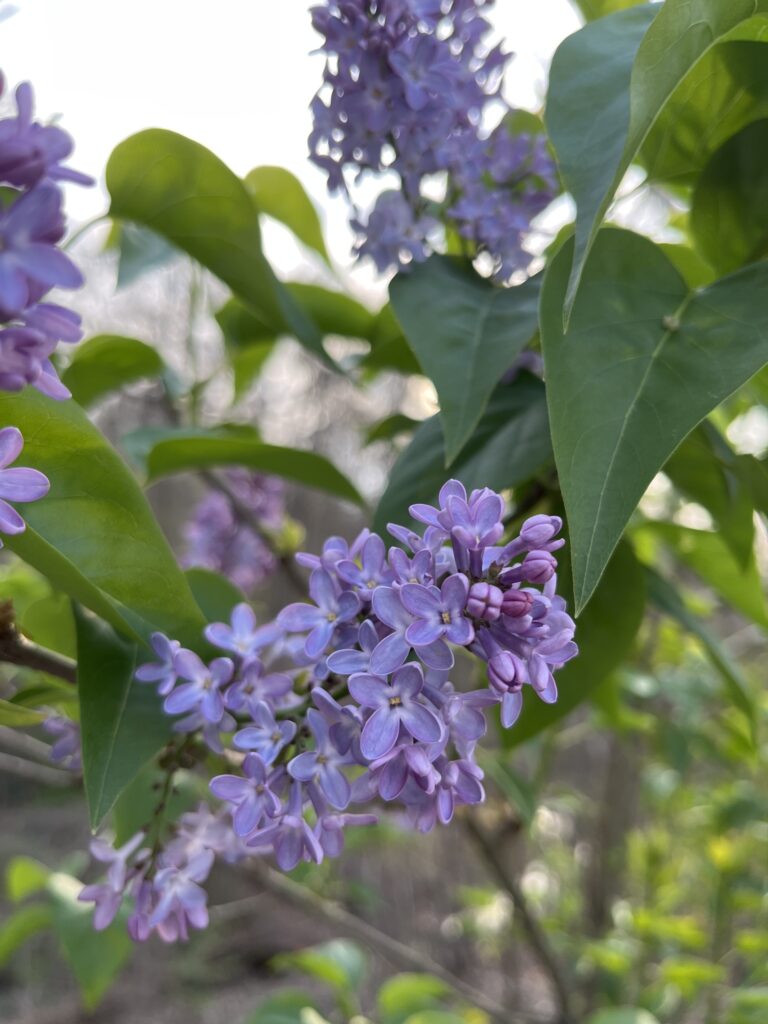

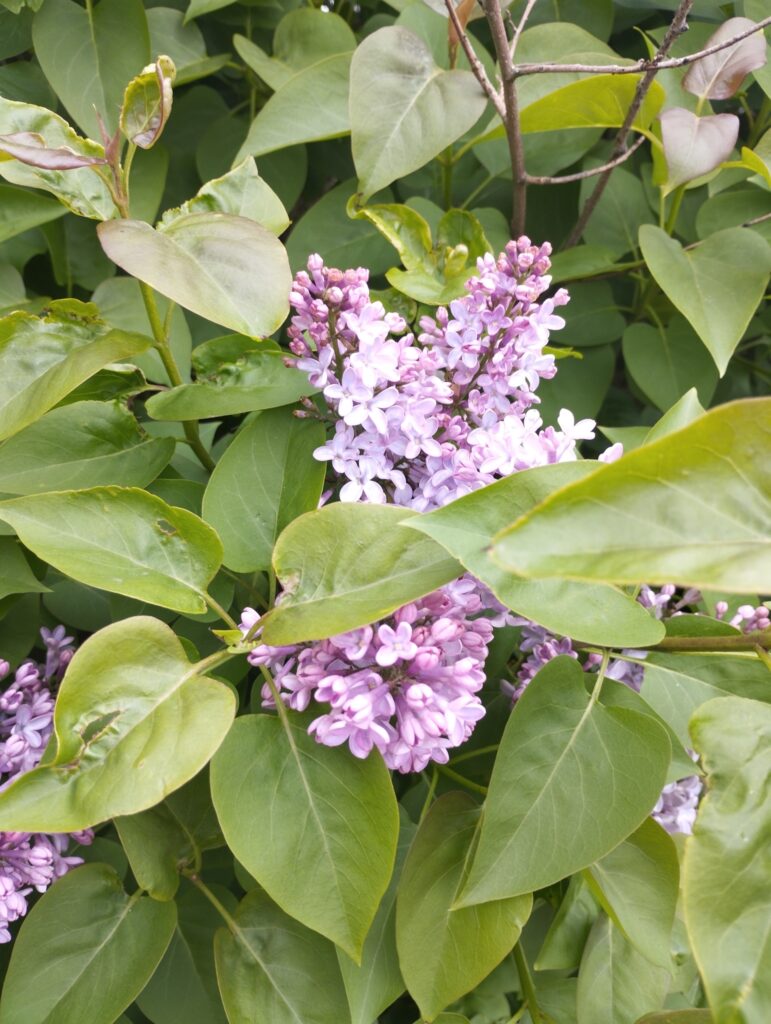
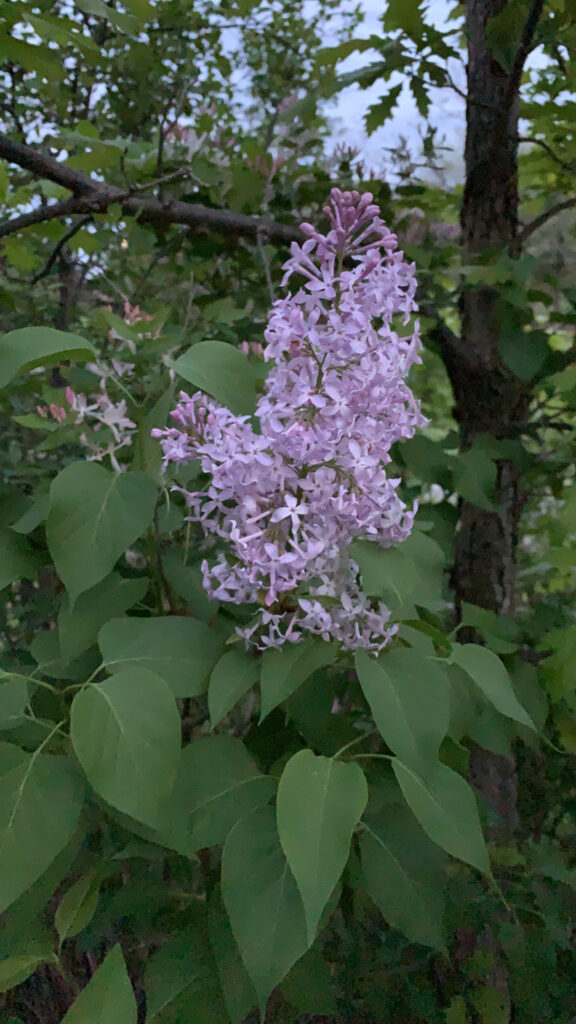

For a few weeks each spring, common lilac stops people in their tracks.
Its dense flower clusters come in lavender, purple, pinkish purple, rose, magenta, white and cream across hundreds of named cultivars, [1a] and their sweet fragrance carries on the air. [1b] Thomas Jefferson wrote about his love of lilacs, and it is the state flower of New Hampshire. [1c]
Though it feels like an old American garden plant, common lilac is native to rocky hills of the southern Balkan Peninsula in Europe. [2a, 2b] It grows into a large shrub or small tree, eight to sixteen feet tall. [1d, 1l] Its leaves feed the caterpillars of several moths, including the promethea silkmoth. [1e] Highland Park in Rochester, New York, holds about 1,200 lilac shrubs of more than 500 varieties across 22 acres, [3a] and has celebrated them with a Lilac Festival since 1898. [3b]
Lilac blooms best where winters are cold, since its buds need a long winter chill; [1f] late frosts can kill them, so a sheltered spot helps. [1g] Give it sun and well-drained soil that is not strongly acidic. [1h] Most plants are grafted, so remove suckers from the rootstock. [1i] Thinning the center improves airflow, which helps with powdery mildew, mostly a cosmetic problem. [1k, 1j]